

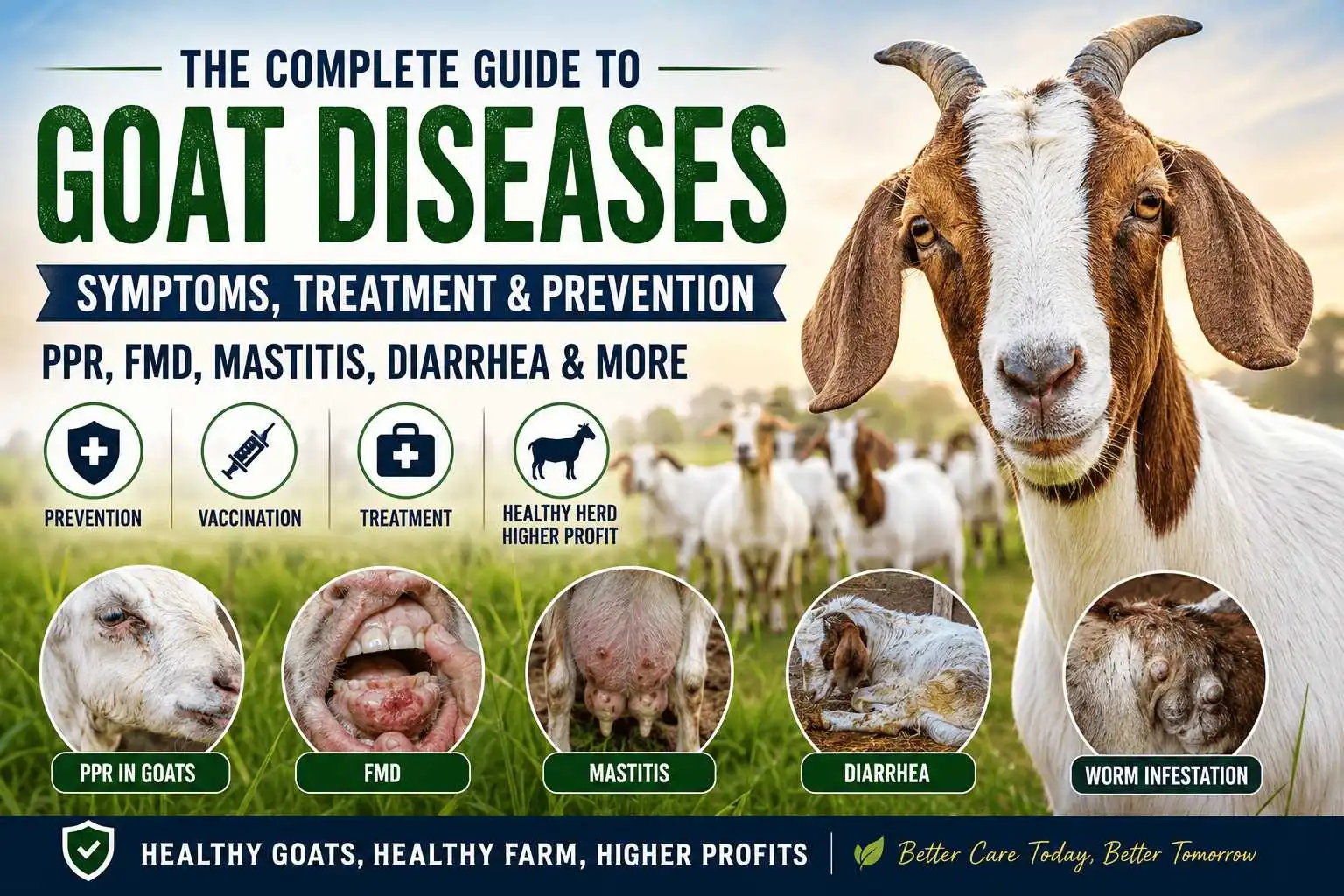

Goat Diseases and Treatment Guide: PPR, FMD, Diarrhea & Prevention Tips
If your goat is not eating properly, standing quietly in one place, has a runny nose, or looks weak and dull, it may be sick or suffering from an infection or disease that needs immediate attention. Healthy goats provide better milk production, faster weight gain, improved breeding performance, and higher profits.
However, maintaining a healthy herd requires comprehensive knowledge of common diseases, their symptoms, prevention methods, and treatment options. Some diseases are minor and manageable, while others can spread rapidly and cause heavy financial losses.
Among all goat diseases, PPR (Peste des Petits Ruminants) is considered one of the most dangerous viral diseases affecting goats and sheep. Farmers must understand the symptoms, treatment, prevention methods, and vaccination schedules to protect their livestock. This guide focuses primarily on PPR (Peste des Petits Ruminants) treatment while covering other critical diseases affecting goat populations.
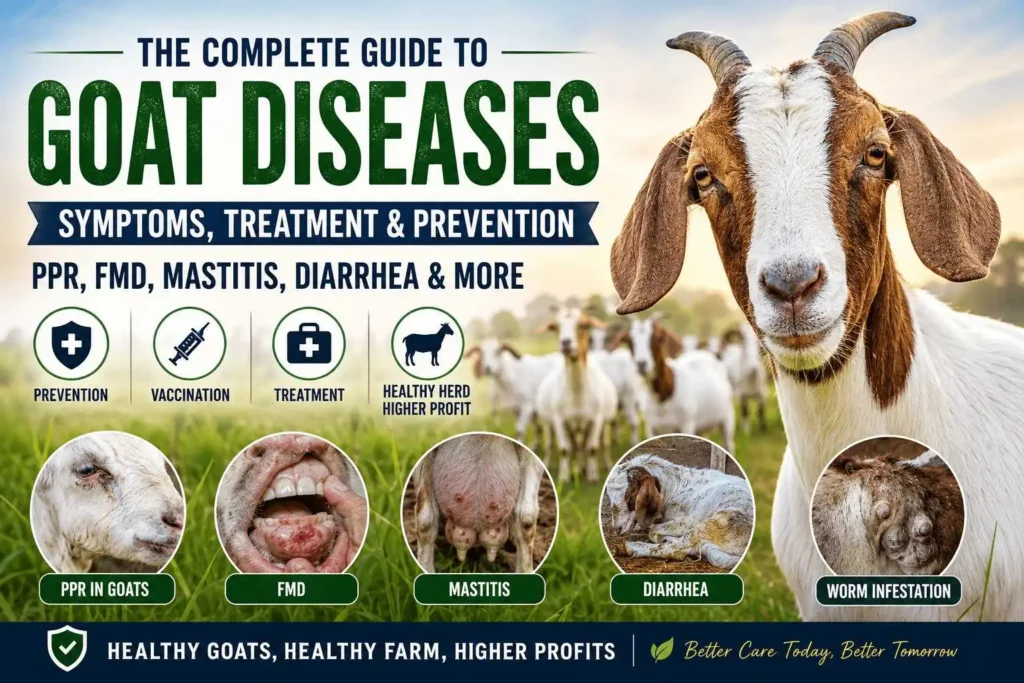
After reading this guide, you will be able to easily identify the signs and symptoms of an unhealthy goat. So, let’s begin.
Why This Guide?
Diseases can cause significant economic losses through mortality, reduced productivity, and treatment costs. A proactive approach combining vaccination, biosecurity measures, and prompt treatment can minimize these losses and ensure a sustainable, profitable goat farming operation.
What is PPR in Goats?
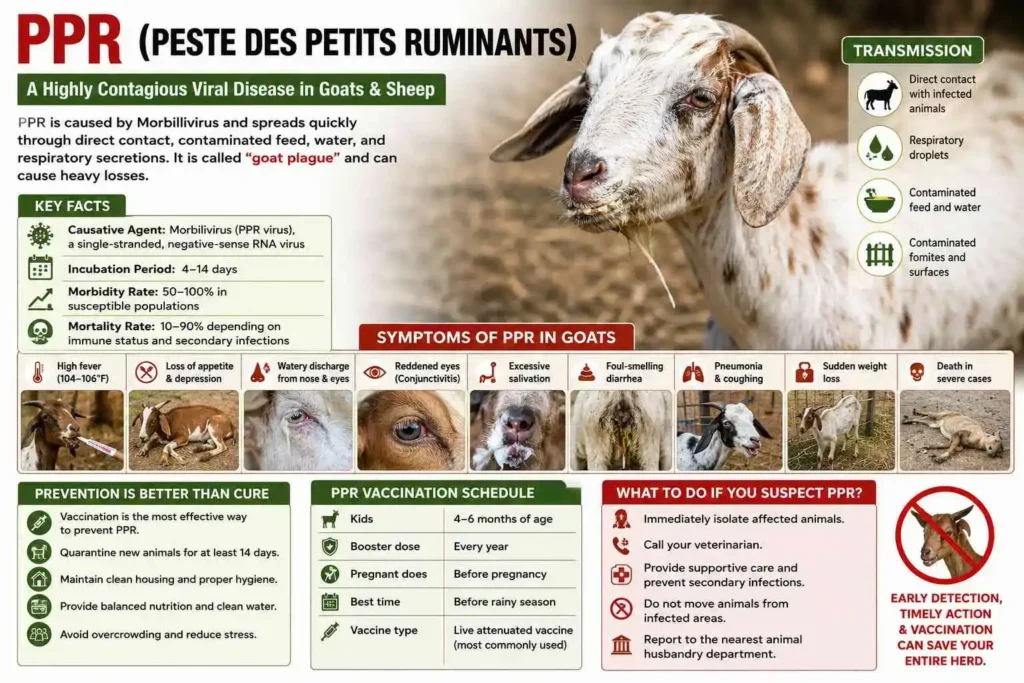
PPR (Peste des Petits Ruminants) is a highly contagious viral disease that affects goats and sheep. It is caused by the Morbillivirus and spreads rapidly through direct contact, contaminated feed, water, and respiratory secretions. It is called “goat plague”. It’s considered one of the most devastating diseases in livestock with the potential for rapid spread and severe economic impact.
Disease Characteristics
- Causative Agent: Morbillivirus (PPR virus), a single-stranded, negative-sense RNA virus
- Transmission: Primarily through respiratory droplets, contaminated feed, water, and direct contact with infected animals
- Incubation Period: 4-14 days
- Mortality Rate: 10-90% depending on immune status and secondary infections
- Morbidity Rate: 50-100% in susceptible populations
Symptoms of PPR in Goats
Common symptoms include:
- High fever (104-106°F / 40-41°C)
- Loss of appetite and depression
- Listlessness and lethargy
- Conjunctivitis (reddened eyes
- Watery discharge from nose and eyes
- Excessive salivation
- Foul-smelling diarrhea
- Pneumonia and coughing
- Sudden weight loss
- Death in severe cases
Treatment of PPR in Goat
There is no specific antiviral medicine for PPR because it is a viral disease. Treatment mainly focuses on supportive care and prevention of secondary infections.
1. Isolation of Infected Animals
Immediately separate infected goats from healthy animals to stop disease spread.
2. Antibiotic Support
Veterinarians may prescribe antibiotics to control secondary bacterial infections.
Commonly used antibiotics:
- Oxytetracycline
- Enrofloxacin
- Ceftriaxone
3. Fluid Therapy
Goats suffering from diarrhea and fever become dehydrated quickly.
Provide:
- Electrolytes
- ORS solution
- IV fluids in severe cases
4. Fever Control
Use veterinary-recommended anti-inflammatory medicines to reduce fever and pain.
5. Nutritional Support
Feed soft and nutritious food:
- Green fodder
- Mineral mixture
- Vitamin supplements
- Easily digestible feed
6. Mouth Ulcer Care
Apply antiseptic glycerin or veterinary mouth lotion for ulcers.
7. Hygiene and Sanitation
- Disinfect goat sheds regularly
- Symptomatic Treatment
| Symptom | Treatment | Dosage | Frequency |
| High Fever | Paracetamol/NSAIDs | 10-15 mg/kg | Every 8 hours |
| Diarrhea | Kaolin-pectin suspension | 30-50 ml | 2-3 times daily |
| Diarrhea (Severe) | Loperamide | 0.1 mg/kg | Twice daily |
| Mouth Sores | Potassium permanganate wash (0.2%) | As needed | 1-2 times daily |
| Eye Inflammation | Antibiotic eye drops | 2-3 drops | 3-4 times daily |
- Burn or safely dispose of dead animals
- Keep feeding utensils clean
- Recovery Indicators
Positive signs include normalized body temperature, reduced diarrhea, improved appetite, and increased alertness. Recovery typically takes 2-3 weeks in surviving animals. Recovered goats develop lifetime immunity.
Prevention of PPR in Goats
Prevention is always better than cure. If your livestock are suffering from PPR, follow the above PPR treatment in goats. However, if you want to keep PPR far away from your farm, then make sure to follow the preventive steps mentioned below. These measures are very important for effective PPR treatment in goat and long-term herd health.
1.Vaccination Strategy (Most Important Prevention)
PPR can be effectively prevented through vaccination. The PPR vaccine is highly effective and is the cornerstone of disease control.
Type of vaccine available
- Live attenuated vaccine – most commonly used in India and gives strong, long-lasting protection against PPR.
- Inactivated vaccine – considered a safer option, but it may provide slightly lower protection compared to the live vaccine.
Vaccination Schedule:
- Kids: Vaccinate at 4–6 months of age, as maternal immunity usually decreases by this time.
- Booster dose: Give revaccination every year for continued protection.
- Pregnant does: Vaccinate before pregnancy so the kids get better natural protection from the mother.
- Booster plan: In some cases, a booster may be given every 2–3 years, as advised by a veterinarian.
- Best time for vaccination: It is better to vaccinate before the rainy season to reduce the risk of disease outbreaks.
2.Important Prevention Methods
- Quarantine New Animals
- Keep newly purchased goats isolated for at least 14 days.
- Maintain Clean Housing
- Clean sheds reduce infection risks.
- Avoid Overcrowding
- Overcrowded conditions increase disease transmission.
- Provide Balanced Nutrition
- Strong immunity helps goats resist infections.
- Immediately separate affected goats from healthy ones
- Ensure separate feeding areas to prevent contamination
- Use 2% phenol or 5% bleach solution for equipment and housing
3.Herd Management
- Maintain records of all animals and health events
- Regular health monitoring and early detection
- Proper disposal of dead animals (burial at 2m depth or incineration)
- Ensure adequate ventilation in housing
- Avoid overcrowding
By following these preventive measures, you can greatly reduce the risk of PPR in your goats. However, it’s important to remember that PPR is not the only threat—there are several other infections and diseases that can be just as harmful and can quickly affect your entire herd if ignored. That’s why understanding these diseases is essential to keep your goats healthy, protect your investment, and maximize your farm profits.
Major Goat Diseases and Their Treatment
2. Foot and Mouth Disease (FMD)
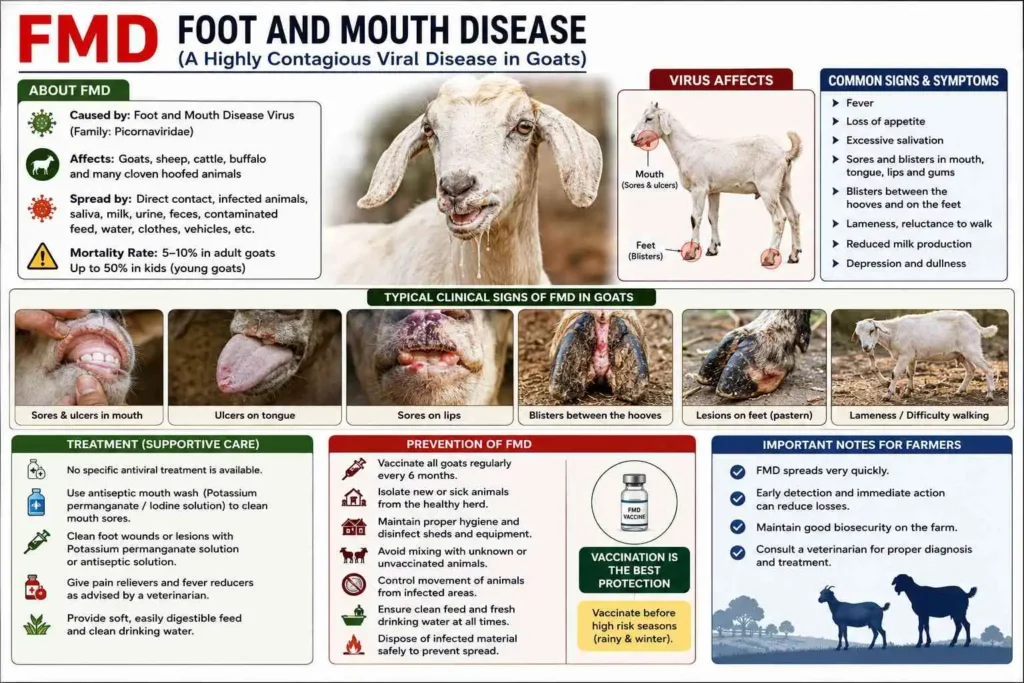
This disease is highly contagious and is caused by a virus from the Poxviridae family. In India, it can lead to serious losses, with mortality rates of around 5–10% in adult goats and up to 50% in young kids, making it a major threat to goat farming.
Symptoms
- Blisters in mouth and feet
- Excessive salivation
- Difficulty walking
- Fever
- Reduced milk production
- Treatment of FMD disease
You may be surprised to know that there is no specific treatment for this disease. Only supportive care can be given to help the animal recover. But don’t worry—after reading this blog, you will clearly understand how to prevent such diseases and protect your goats like a professional farmer.
Supportive care
- Use antiseptic mouth wash to clean mouth sores
- Potassium permanganate solution for cleaning foot wounds or lesions
- Give pain relievers to reduce fever and discomfort
- Provide soft, easily digestible feed along with clean drinking water
Prevention of FMD (Foot and Mouth Disease):
- Regular vaccination of all cattle and goats every 6 months.
- Keep new or sick animals isolated from the healthy herd
- Maintain proper hygiene and regularly disinfect sheds and equipment
- Avoid mixing your animals with unknown or unvaccinated livestock
- Control movement of animals from infected areas
- Ensure clean feed and fresh drinking water at all times
- Dispose of infected material safely to prevent spread
3. Pneumonia in Goats
Pneumonia in goats is a serious respiratory disease caused by bacterial, viral, or environmental factors. It is one of the most common and economically important diseases in goats, often leading to poor growth, reduced productivity, and even death if not treated on time.
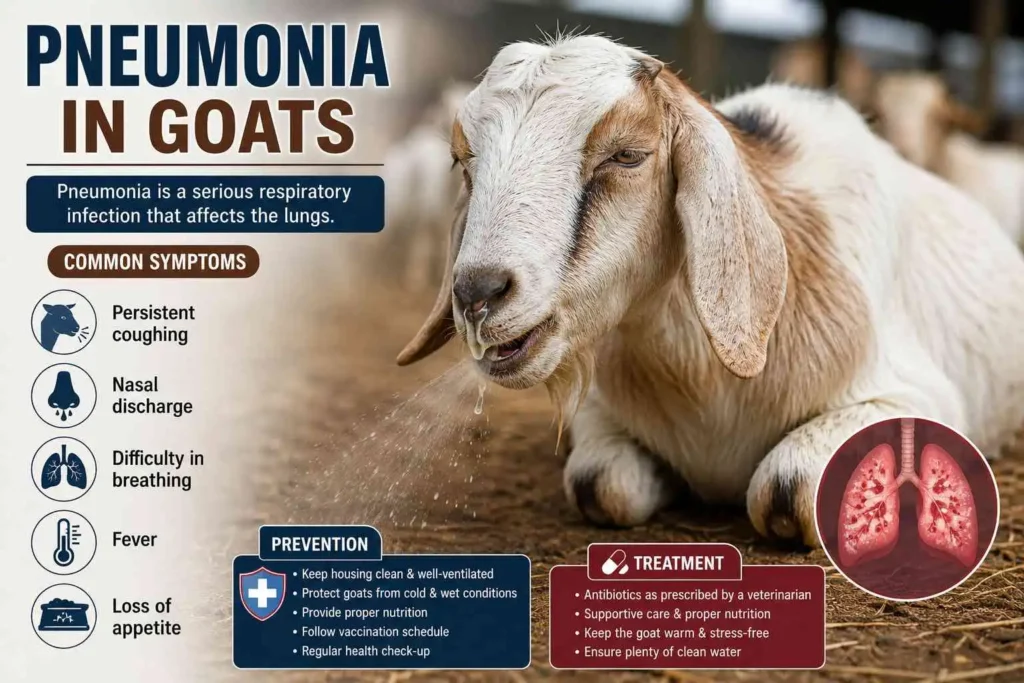
Symptoms:
- Persistent coughing, which may worsen over time
- Nasal discharge, which can be watery or thick depending on infection
- Difficulty in breathing, often with rapid or labored respiration
- Fever, usually accompanied by weakness and reduced appetite
Treatment:
- Broad-spectrum antibiotics such as Oxytetracycline (20 mg/kg intramuscularly for 5–7 days) or Florfenicol (as advised by a veterinarian)
- Supportive care including warm, dry housing and proper nutrition to help recovery
- Expectorants and bronchodilators, if available, to ease breathing and clear the airways
Prevention:
- Ensure proper ventilation in goat sheds to reduce moisture and harmful gases
- Protect goats from cold stress, especially during winter and rainy seasons
- Provide balanced and proper nutrition to maintain strong immunity
- Follow vaccination programs as recommended by a veterinarian
- Regular health monitoring to detect early signs of respiratory illness
4.Mastitis in Goats
Mastitis is an inflammation of the udder (milk gland) in goats, usually caused by bacterial infection. It is a common and serious disease in dairy goats because it directly affects milk production and quality. If not treated early, it can permanently damage the udder and reduce productivity.
Symptoms
- Swelling, heat, or hardness in the udder
- Pain while milking or refusal to allow milking
- Changes in milk (watery, clots, blood, or bad smell)
- Reduced milk production
- Fever and loss of appetite in severe cases
Treatment
- Intramammary or systemic antibiotics as prescribed by a veterinarian
- Anti-inflammatory medicines to reduce pain and swelling
- Frequent gentle milking to remove infected milk
- Proper udder hygiene during treatment
Prevention
- Maintain clean milking practices and sanitize hands and equipment
- Keep bedding dry and clean
- Avoid injury or trauma to the udder
- Regular health checks of milking goats
- Milk infected animals last to prevent spread
5. Caseous Lymphadenitis (CLA)in Goats or Pus lump disease
Treatment
Surgical drainage and careful cleaning of abscesses (preferably under veterinary supervision)
- Antibiotics may be used in some cases as supportive therapy, such as Streptomycin or Penicillin, as advised by a veterinarian
- Treatment duration is usually around 7–10 days depending on severity
- Proper disinfection of the drainage site and surrounding area to prevent spread
Prevention:
- Vaccinate against CLA wherever the vaccine is available and recommended by veterinarians
- Avoid cuts, wounds, and injuries, as the bacteria enter through broken skin
- Keep sheds, feeding areas, and equipment clean and properly disinfected
- Immediately isolate infected animals to prevent the disease from spreading to the rest of the herd
Minor Goat Diseases and Their Treatment
1. Diarrhea in goats
Diarrhea in goats is a common digestive disorder characterized by loose or watery stool. It can be caused by infections, sudden changes in feed, parasites, or poor hygiene. If not treated in time, it can lead to severe dehydration, weakness, and even death, especially in young kids. It is one of the most frequently occurring problems in goat farming, making it very important for farmers to understand and manage it properly.
Symptoms
- Loose or watery stool
- Dehydration (sunken eyes, dry mouth)
- Weakness and reduced activity
- Loss of appetite
- Soiled tail and hindquarters
Treatment
- Provide oral rehydration solutions to prevent dehydration
- Give clean, fresh water at all times
- Use anti-parasitic or antibiotics only as advised by a veterinarian
- Offer light, easily digestible feed during recovery
- Keep the affected goat in a clean and dry area
2. Bloating in goats
Bloating is a common digestive problem in goats where excess gas builds up in the stomach (rumen). It usually happens due to sudden feed changes, overeating of lush green fodder, or poor-quality feed. If not treated quickly, it can become life-threatening as it makes breathing difficult.
Symptoms
- Swollen and tight abdomen (left side more visible)
- Restlessness and discomfort
- Difficulty in breathing
- Reduced appetite or refusal to eat
- Grinding of teeth or signs of pain in severe cases
Treatment
- Gentle walking to help release gas
- Use of anti-bloating medicines or herbal remedies as advised by a veterinarian
- Rumen massage in mild cases
- In severe cases, emergency veterinary intervention may be required
Prevention
- Avoid sudden changes in feed
- Do not overfeed lush green or wet fodder
- Provide balanced diet with dry roughage
- Ensure regular feeding schedule
- Keep animals under observation after feed changes
3.Worm Infestation in Goats
Worm infestation (internal parasites) is a very common health problem in goats. It is caused by different types of worms living in the stomach and intestines, feeding on nutrients from the animal’s body. If not controlled, it can lead to poor growth, weakness, anemia, and reduced productivity.
Symptoms
- Weight loss despite normal appetite
- Weakness and dull appearance
- Pale gums and eyelids (sign of anemia)
- Diarrhea or irregular stool
- Rough and dry coat
Treatment
- Deworming medicines (anthelmintics) as prescribed by a veterinarian
- Proper dosage based on age and body weight
- Repeat treatment if recommended by a vet
- Provide supportive nutrition during recovery
Prevention
- Regular deworming schedule (as advised by a veterinarian)
- Maintain clean and dry housing conditions
- Avoid overgrazing in the same pasture
- Provide clean drinking water
- Rotate grazing areas when possible
Vaccination Best Practices
- Health status: Only vaccinate healthy animals. Sick animals should be treated first and allowed to recover.
- Timing: Vaccinate before disease exposure, ideally before high-risk seasons (rainy or winter season).
- Storage: Maintain proper cold chain at 2–8°C. Do not freeze live vaccines.
- Administration: Use sterile needles and syringes and follow vaccine label instructions carefully.
- Records: Keep proper vaccination records including date, vaccine name, batch/lot number, and animal ID.
- Stress control: Avoid stress before and after vaccination for better immune response.
- Maternal antibodies: Time vaccinations according to the decline of maternal immunity in young kids.
Critical Principle: Know Before You Treat
Accurate diagnosis is essential before initiating treatment. Work with a veterinarian to identify the specific disease and determine the appropriate treatment protocol. Generic treatments may waste time and resources while the actual disease progresses.
Conclusion
Goat farming can become highly profitable when animals are healthy and disease-free. You can read our blog on How to start goat farming. Among all diseases, understanding the Treatment of PPR in Goats is extremely important because PPR can spread quickly and cause major financial losses.
Although there is no direct cure for PPR, supportive treatment, isolation, proper nutrition, antibiotics for secondary infections, and timely vaccination can significantly reduce mortality.
Farmers should also focus on regular vaccination, proper hygiene, balanced nutrition, deworming, and biosecurity practices to prevent both major and minor goat diseases. You can also take training from IVRI Bareilly, TANUVAS in Tamil Nadu, and CIRG Mathura
Healthy goats mean higher profits, better productivity, and sustainable livestock farming success. You can also avail Goat Farming Loan with 50% subsidy.
What are the first signs of pneumonia in goats?
Early signs include coughing, nasal discharge, fever, loss of appetite, and difficulty in breathing. The goat may also look weak and inactive.
Is pneumonia in goats contagious?
Yes, pneumonia can spread from one goat to another, especially in crowded or poorly ventilated shelters. Infections spread through air, coughing, and close contact.
When should I call a vet?
Call a veterinarian immediately if the goat has severe breathing difficulty, high fever, stops eating, or shows no improvement within 1–2 days.
What are the most common diseases in goats?
Some common goat diseases are PPR (goat plague), foot rot, mastitis, diarrhea, pneumonia, and worm infections.
Newsletter