


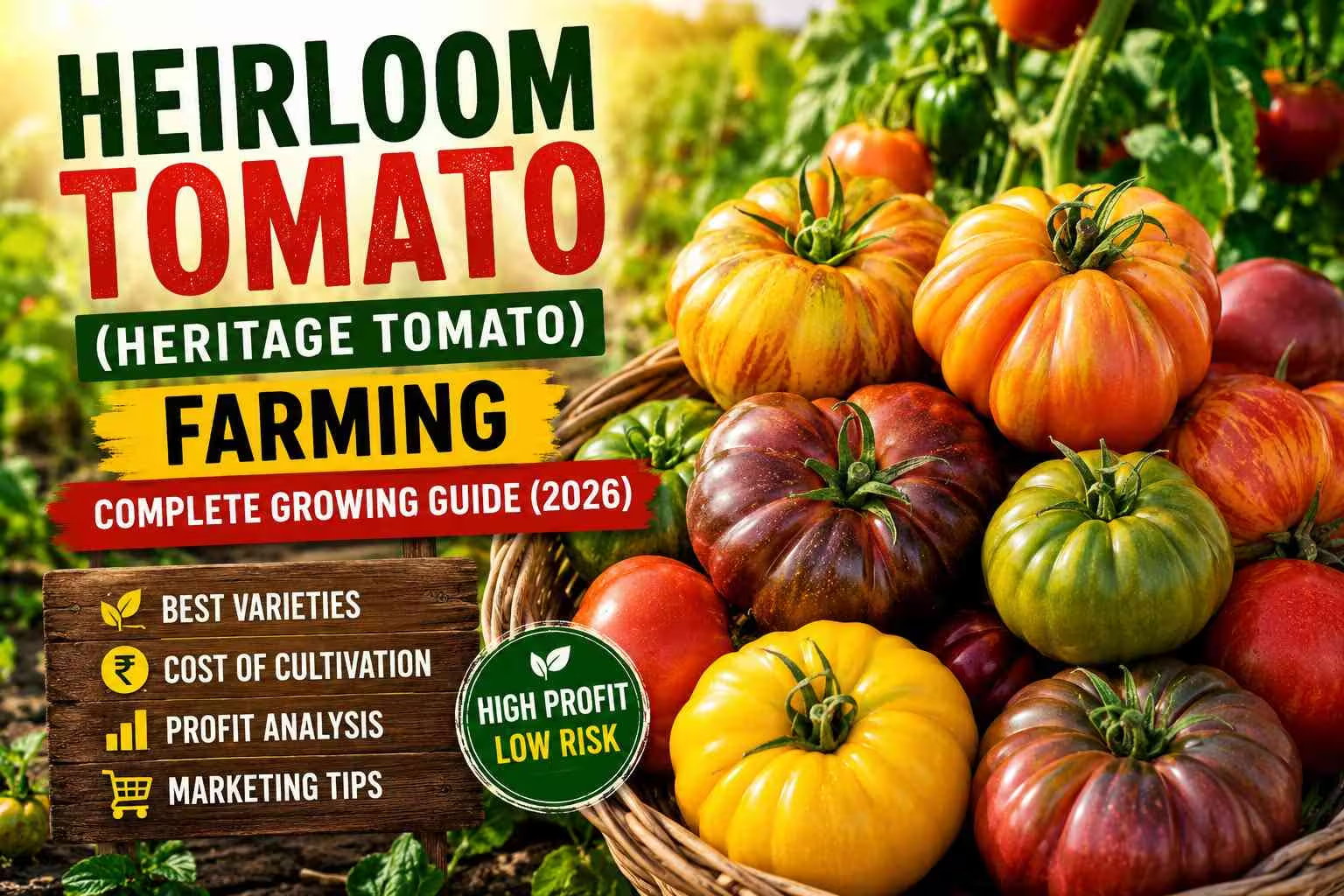
Heirloom Tomato (Heritage Tomato) Farming: Complete Growing Guide (2026)
If you have ever watched tomato prices crash to ₹7 or ₹8 a kilo right after a bumper harvest, you already know the biggest problem with tomato farming. The market gives you almost no control over your price. This is exactly why more small and mid-size growers across India are now looking at Heirloom Tomato (Heritage Tomato) farming as a way out of that trap.
An heirloom tomato, also called a heritage tomato, is an old, non-hybrid variety that has been grown and passed down for generations — often called desi tomato in India. Unlike hybrid tomatoes that flood the mandi and crash in price during a glut, heirloom tomatoes are sold in a smaller, premium market — organic stores, gourmet restaurants, and direct-to-home delivery — where the price per kilo can run three to eight times higher.
This guide explains, in plain language, what heirloom tomato really means, which varieties work in Indian conditions, the real cost of growing it per acre, and the kind of profit you can realistically expect. Every rupee figure below is an estimate for planning, not a promise, so treat the ranges as a starting point for your own budget.
Quick Summary: Heirloom Tomato (Heritage Tomato) Farming
- Heirloom (heritage) tomato is an old, open-pollinated variety — the same idea as India’s own “desi tomato.”
- You can save its seed every year, so seed cost mostly disappears after your first crop.
- Growing it costs roughly ₹56,500–₹96,500 per acre — a bit more than regular hybrid tomato because of staking and hand labour.
- It can sell for ₹60–₹120/kg or more through organic stores, hotels, and direct sale, well above the ₹10–₹20/kg you typically get at a regular mandi.
- It suits a small trial plot near a city, with your buyer lined up before you plant a full acre.
What Does Heirloom Tomato (Heritage Tomato) Actually Mean?
Let’s clear up the confusion first. In India, heirloom tomato is often known by a name you already use — desi tomato. Both terms describe the same thing: an open-pollinated variety that was not created by crossing two specific parent lines in a lab.
Here is the simple difference between the two types of tomato seed:
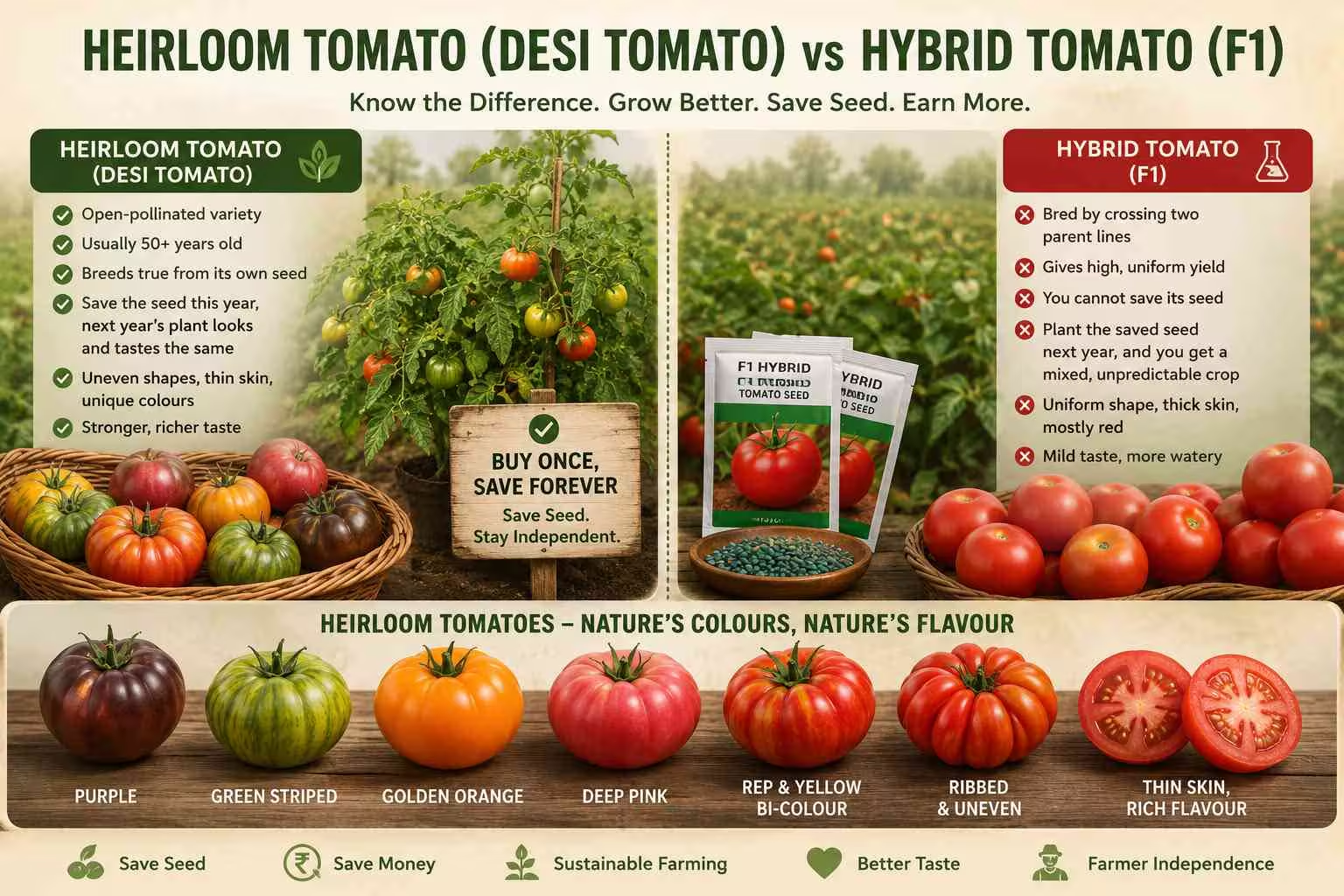
- Hybrid (F1) tomato: Bred by crossing two chosen parent plants. Gives high, uniform yield, but you cannot save its seed. Plant the saved seed next year, and you get a mixed, unpredictable crop.
- Heirloom (heritage) tomato: An open-pollinated variety, usually more than 50 years old, that breeds true from its own seed. Save the seed this year, and next year’s plant looks and tastes the same.
That one difference — seed-saving — is the whole reason heirloom tomato farming appeals to small farmers. You buy seed once, manage it well, and you may never need to buy tomato seed again.
Heirloom tomatoes are also known for their uneven shapes, thin skin, unusual colours (purple, green-striped, golden-orange, deep pink) and a stronger, richer taste than the watery, uniform red tomato that fills most mandis.
Why Grow Heirloom Tomato When Regular Tomato Prices Keep Crashing?
Regular open-market tomato in India typically moves between ₹10 and ₹20 per kg, but it can fall below ₹5/kg during a glut or jump past ₹60/kg during a shortage. Farmers growing hybrid tomato for the general mandi are, in effect, gambling on which side of that swing they land on.
Heirloom tomato usually doesn’t enter that same market. Because of its taste, colour, and story, it tends to sell through different channels — gourmet grocers, organic outlets, hotel kitchens, and direct-to-consumer apps. Related premium tomato types already sold in Indian cities, such as cherry and other “exotic” tomatoes, run from around ₹60/kg to well over ₹150/kg depending on the city and the buyer.
That price gap is the entire business case for heirloom tomato:
- You grow less volume, but you stop competing with a hundred other truckloads of the same hybrid tomato at the same mandi gate on the same morning.
- You get a second crop that stands apart from the regular tomato market and doesn’t crash with it.
- You appeal directly to health-conscious, quality-focused city buyers who already pay extra for “exotic” and organic vegetables.
This does not mean heirloom tomato is automatically more profitable. Yield is lower, and you must line up a paying buyer before you plant. But for a small farmer near a city, or one already supplying organic or specialty buyers, it is a real option worth testing on a small plot first.
Best Heirloom Tomato Varieties for Indian Farms
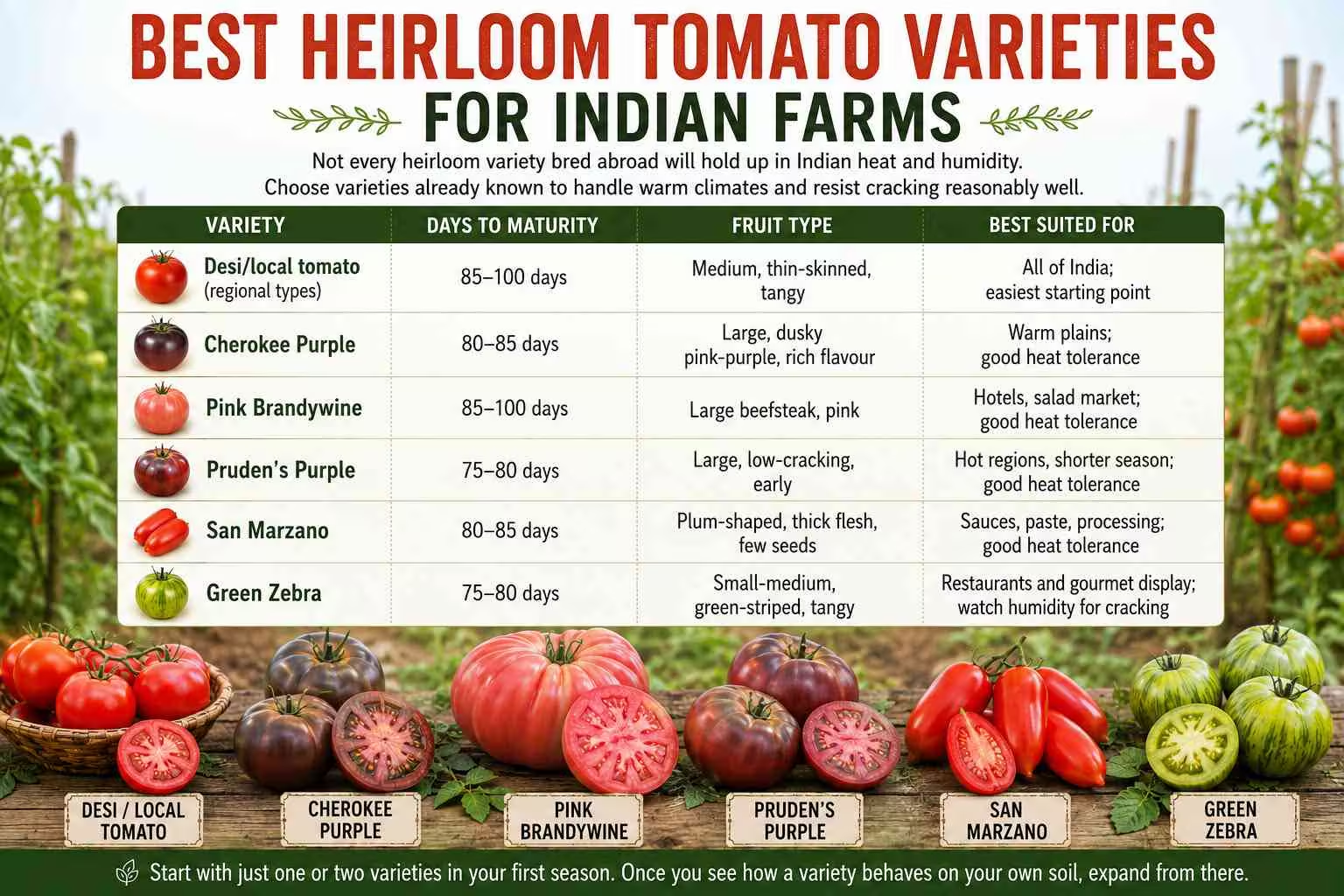
Not every heirloom variety bred abroad will hold up in Indian heat and humidity. Choose varieties already known to handle warm climates and resist cracking reasonably well.
| Variety | Days to Maturity | Fruit Type | Best Suited For |
|---|---|---|---|
| Desi/local tomato (regional types) | 85–100 days | Medium, thin-skinned, tangy | All of India; easiest starting point |
| Cherokee Purple | 80–85 days | Large, dusky pink-purple, rich flavour | Warm plains; good heat tolerance |
| Pink Brandywine | 85–100 days | Large beefsteak, pink | Hotels, salad market; good heat tolerance |
| Pruden’s Purple | 75–80 days | Large, low-cracking, early | Hot regions, shorter season; good heat tolerance |
| San Marzano | 80–85 days | Plum-shaped, thick flesh, few seeds | Sauces, paste, processing; good heat tolerance |
| Green Zebra | 75–80 days | Small-medium, green-striped, tangy | Restaurants and gourmet display; watch humidity for cracking |
Start with just one or two varieties in your first season. Once you see how a variety behaves on your own soil, expand from there.
Climate and Soil Needs for Heirloom Tomato
Heirloom tomato grows best wherever regular tomato already grows well — it’s the same crop, just an older bloodline.
- Temperature: 18–27°C is ideal. Fruit set drops sharply once day temperatures cross 35°C alongside warm nights, so time your sowing so flowering avoids peak summer heat.
- Rainfall: 60–150 cm a year suits it well; heavy, continuous rain during flowering hurts fruit set and invites fungal disease.
- Altitude: Grows from near sea level up to about 1,500 metres.
- Soil: Deep, well-drained loam with pH 6.0–7.0. Heirloom varieties handle waterlogged roots worse than hybrids, so raised beds and good drainage matter even more here.
- Sunlight: Full sun for at least 6–8 hours a day.
Step-by-Step: How to Grow Heirloom Tomato on Your Farm
1. Raise the nursery. Sow seed in a well-drained nursery bed or trays. Seedlings are ready to transplant in 25–30 days, once they reach 15–20 cm in height with 4–5 true leaves.
2. Prepare the field and transplant. Plough the field and mix in well-rotted farmyard manure before transplanting. Many heirloom varieties are indeterminate — they keep growing and fruiting all season, sometimes reaching 6–8 feet or more — so give them wider spacing than a compact hybrid needs: around 75 cm between rows and 60 cm between plants.
3. Stake or trellis early. Don’t wait on this. Put bamboo stakes, a string trellis, or a simple cage in place within 2–3 weeks of transplanting. Heirloom vines are heavier and floppier than compact hybrid plants, and fruit left resting on wet soil rots fast and attracts pests.
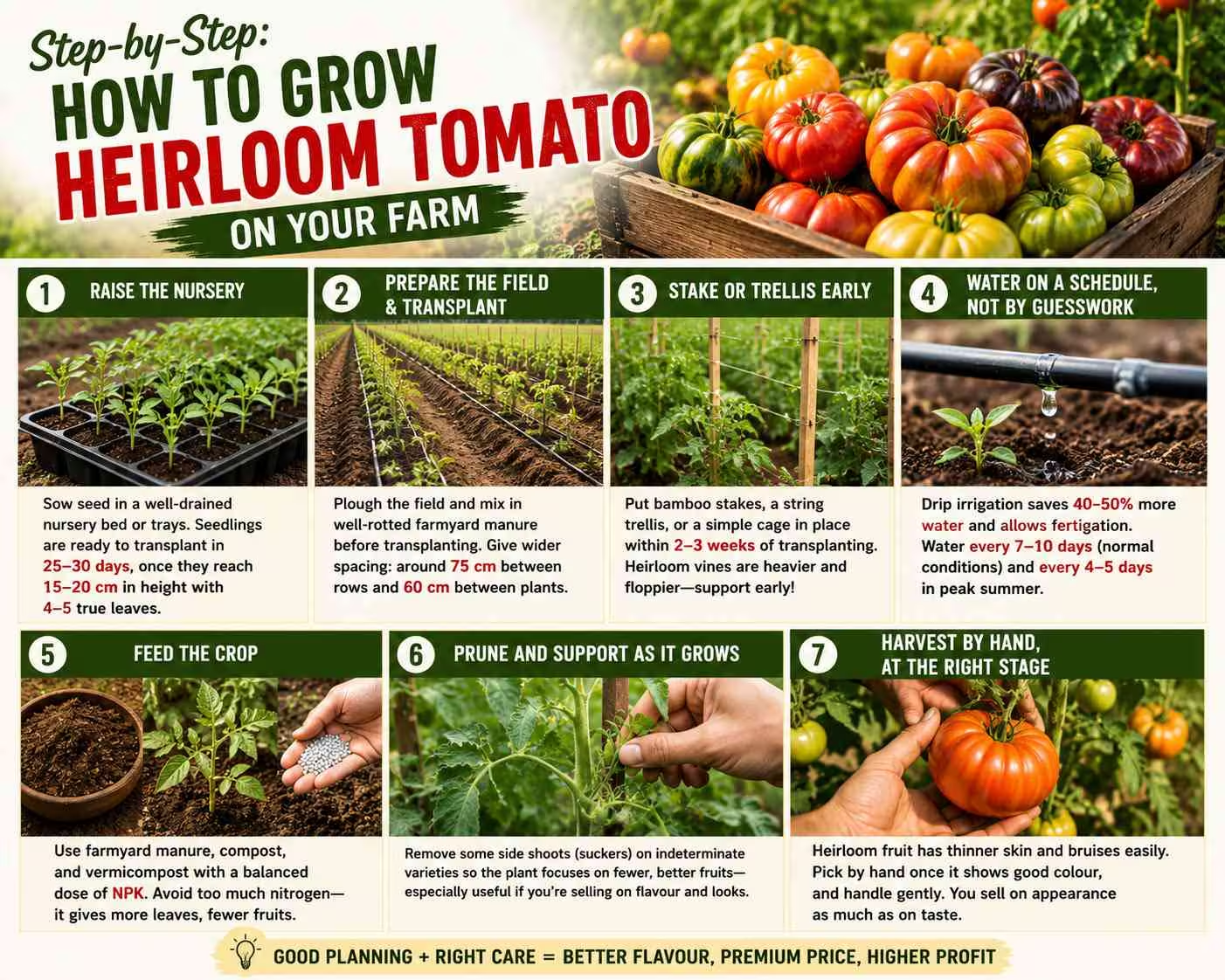
Water on a schedule, not by guesswork. Drip irrigation is strongly recommended because it saves 40–50% more water than traditional flood irrigation while allowing you to apply fertilisers through the drip line (fertigation). If you’re new to the system, read our Complete Drip Irrigation Setup Guide before installing it. Water every 7–10 days under normal conditions and every 4–5 days during peak summer. Irregular watering is the leading cause of fruit cracking and blossom end rot. If you notice black, sunken patches at the bottom of developing fruits, see our Tomato Blossom End Rot: Causes, Prevention & Treatment guide to identify and fix the problem quickly.
5. Feed the crop. Heirloom tomato responds well to farmyard manure, compost, and vermicompost, combined with a balanced dose of nitrogen, phosphorus, and potash. Go easy on nitrogen alone — too much gives you tall, leafy plants with fewer fruits.
6. Prune and support as it grows. Remove some side shoots (suckers) on indeterminate varieties so the plant puts its energy into fewer, better fruits — especially useful if you’re selling on flavour and looks rather than sheer weight.
7. Harvest by hand, at the right stage. Heirloom fruit has thinner skin and bruises more easily than hybrid tomato. Pick it individually, by hand, once it shows good colour, and handle it gently. This is a crop you sell on appearance as much as taste.
Common Pests and Diseases in Heirloom Tomato
Be honest with yourself here: heirloom varieties are generally less disease-resistant than modern F1 hybrids, which are specifically bred for resistance. Watch for:
- Early and late blight (fungal, worse in humid weather): spray Mancozeb or Copper Oxychloride at the first sign of leaf spotting.
- Leaf curl virus: spread by whitefly. Use yellow sticky traps and, where possible, insect-proof netting around young plants.
- Fruit borer: monitor with pheromone traps and hand-pick affected fruit early rather than let the problem spread.
- Nematodes: rotate your heirloom tomato plot with a non-tomato crop such as maize, onion, or a leafy vegetable each season.
- Cracking and blossom end rot: both are usually watering problems, not disease. Keep soil moisture even.
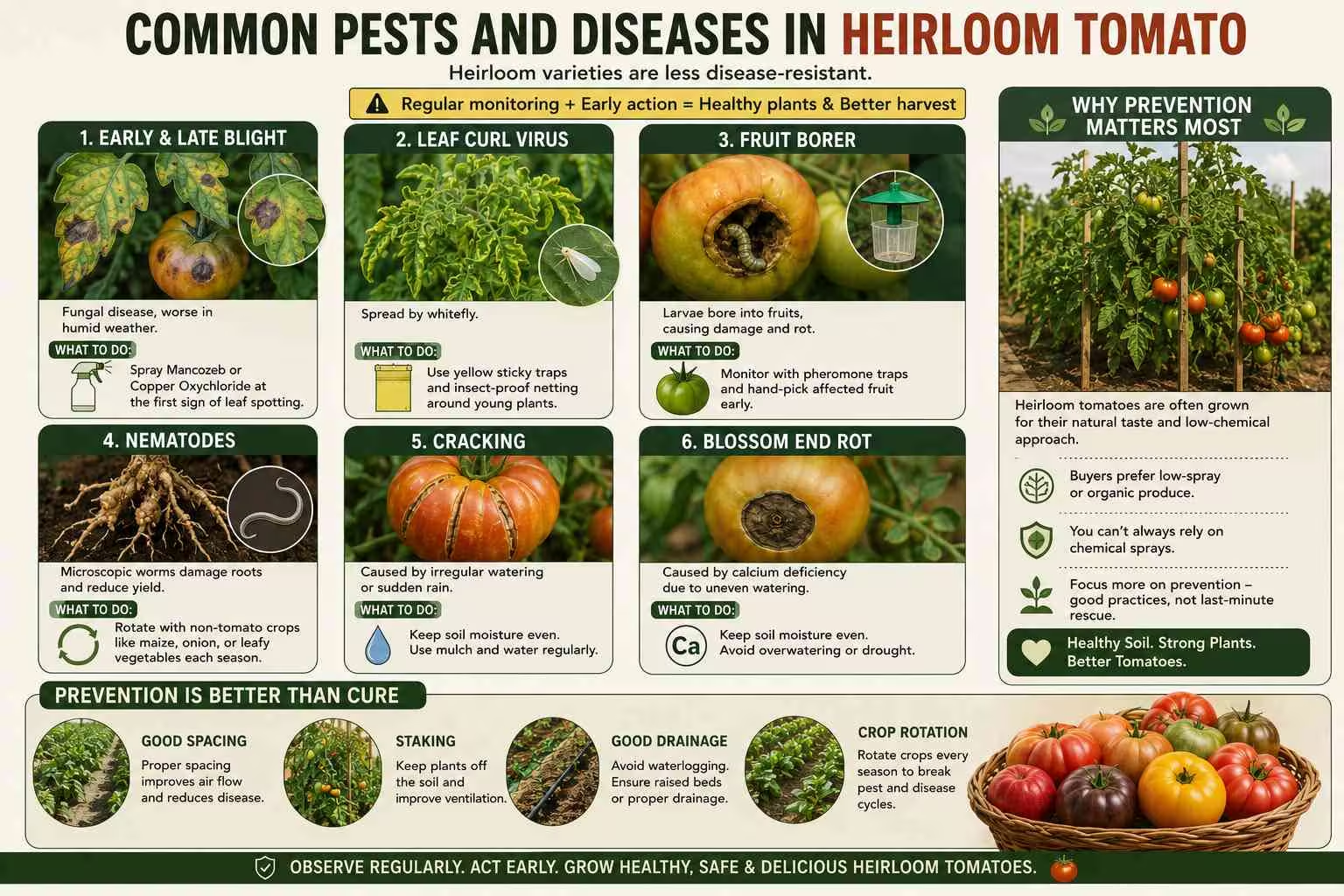
Because many heirloom buyers specifically want low-spray or organic produce, you can’t always spray as freely as you might on a purely commercial hybrid crop. So disease management here leans more on prevention — spacing, staking, drainage, and crop rotation — than on chemical rescue.
Cost of Growing Heirloom Tomato Per Acre (₹)
Costs vary by state, local labour rate, and how much work you do yourself versus hire out. The table below is a realistic working estimate for one acre, one season (about 4–5 months).
| Cost Head | Estimated Cost (₹) |
|---|---|
| Seed (open-pollinated/heirloom) | 2,000 – 4,000 |
| Nursery raising and seed treatment | 1,500 – 2,500 |
| Land preparation and ploughing | 3,000 – 5,000 |
| Farmyard manure/compost | 6,000 – 10,000 |
| Staking material (bamboo/string) | 8,000 – 15,000 |
| Fertiliser (NPK, micronutrients) | 5,000 – 8,000 |
| Irrigation (drip set-up share and running cost) | 6,000 – 12,000 |
| Labour (transplanting, weeding, pruning, harvesting) | 18,000 – 28,000 |
| Plant protection (need-based sprays and traps) | 4,000 – 7,000 |
| Miscellaneous and transport | 3,000 – 5,000 |
| Total estimated cost per acre | ₹56,500 – ₹96,500 |
Staking and labour cost more here than in a standard hybrid tomato budget of roughly ₹40,000–₹80,000 per acre. That’s the real trade-off of growing an old-style, hand-tended crop. One more point worth remembering: once you save your own seed after the first season, that seed cost largely disappears in future years — one of the biggest long-term savings heirloom tomato offers over hybrid.
If you plan to invest in drip irrigation, mulching, or a net house to protect your crop from erratic rain and pests, check with your District Horticulture Office. Central schemes such as MIDH (Mission for Integrated Development of Horticulture) offer subsidy support — roughly ₹32,000–₹36,800 per hectare for drip irrigation and mulching, and up to 50% of structure cost for net houses or polyhouses for general-category farmers (higher for SC/ST farmers in several states). You apply with your land records, Aadhaar, and bank account details.
Expected Yield, Price, and Profit: Heirloom vs Regular Tomato (₹)
Heirloom tomato yields noticeably less than hybrid tomato — that’s simply the nature of an older, non-hybrid plant. What it can make up for is price per kilo, if you already have the right buyer.
| Parameter | Regular Hybrid Tomato | Heirloom (Heritage) Tomato |
|---|---|---|
| Typical yield per acre | 8–12 tonnes | 5–7 tonnes |
| Typical price realised | ₹10–20/kg at mandi (volatile; can fall below ₹5 or spike past ₹60) | ₹60–120/kg via organic store, hotel, or direct sale |
| Gross income per acre (normal season) | ₹1,00,000 – ₹2,00,000 | ₹3,50,000 – ₹7,00,000 |
| Cost of cultivation per acre | ₹40,000 – ₹80,000 | ₹56,500 – ₹96,500 |
| Net profit per acre (normal season) | ₹40,000 – ₹1,20,000 | ₹2,50,000 – ₹6,00,000 |
Because heirloom tomato is still a young, developing market in India, there isn’t much published, India-specific yield and price data yet. The heirloom figures above combine well-established tomato cultivation costs with the well-documented yield gap between heirloom and hybrid plants — treat them as planning estimates, not guarantees.
The heirloom side of this table only works if you already have a buyer willing to pay a premium — a hotel, an organic store, a subscription box, or an exporter. Sold into a regular mandi, heirloom tomato earns no more than hybrid tomato, since general mandi buyers don’t pay extra for heirloom qualities.
Where to Sell Heirloom Tomato in India
Selling is the real skill in heirloom tomato farming — arguably more important than growing it well.
| Selling Channel | Typical Price Range (₹/kg) |
|---|---|
| Regular mandi (not recommended for heirloom) | 15 – 30 |
| Organic or gourmet grocery store | 60 – 100 |
| Hotels and restaurants (direct supply) | 80 – 150 |
| Direct-to-consumer or farmers’ market | 70 – 120 |
| Value-added product (sun-dried, sauce, etc.) | 150+ |
A few practical routes worth exploring:
- Organic and gourmet grocery stores, which increasingly stock “exotic” and heirloom-type vegetables at a clear premium over regular tomato.
- Hotels and restaurants, where the farm-to-table trend among city kitchens is a strong, steady buyer for unusual, flavourful produce — especially if you can guarantee weekly supply.
- Direct-to-consumer platforms and farmers’ markets, which let you keep the full retail margin instead of splitting it with a middleman.
- Seed-saving networks and community seed banks, such as those run by Navdanya, which conserve and share native and heirloom vegetable seed across many Indian states — a useful place to source authentic desi tomato seed and meet other growers.
- Value-added products, such as sun-dried heirloom tomato or gourmet sauce, which fetch a further premium and use up any fruit too ripe or blemished to sell fresh.
Before you plant a full acre, line up at least one serious buyer for a trial batch. Heirloom tomato farming only pays off when the produce reaches the right customer — not the nearest mandi.
Before you plant a full acre, line up at least one serious buyer for a trial batch. Heirloom tomato farming only pays off when the produce reaches the right customer — not the nearest mandi.
Challenges to Keep in Mind Before You Start
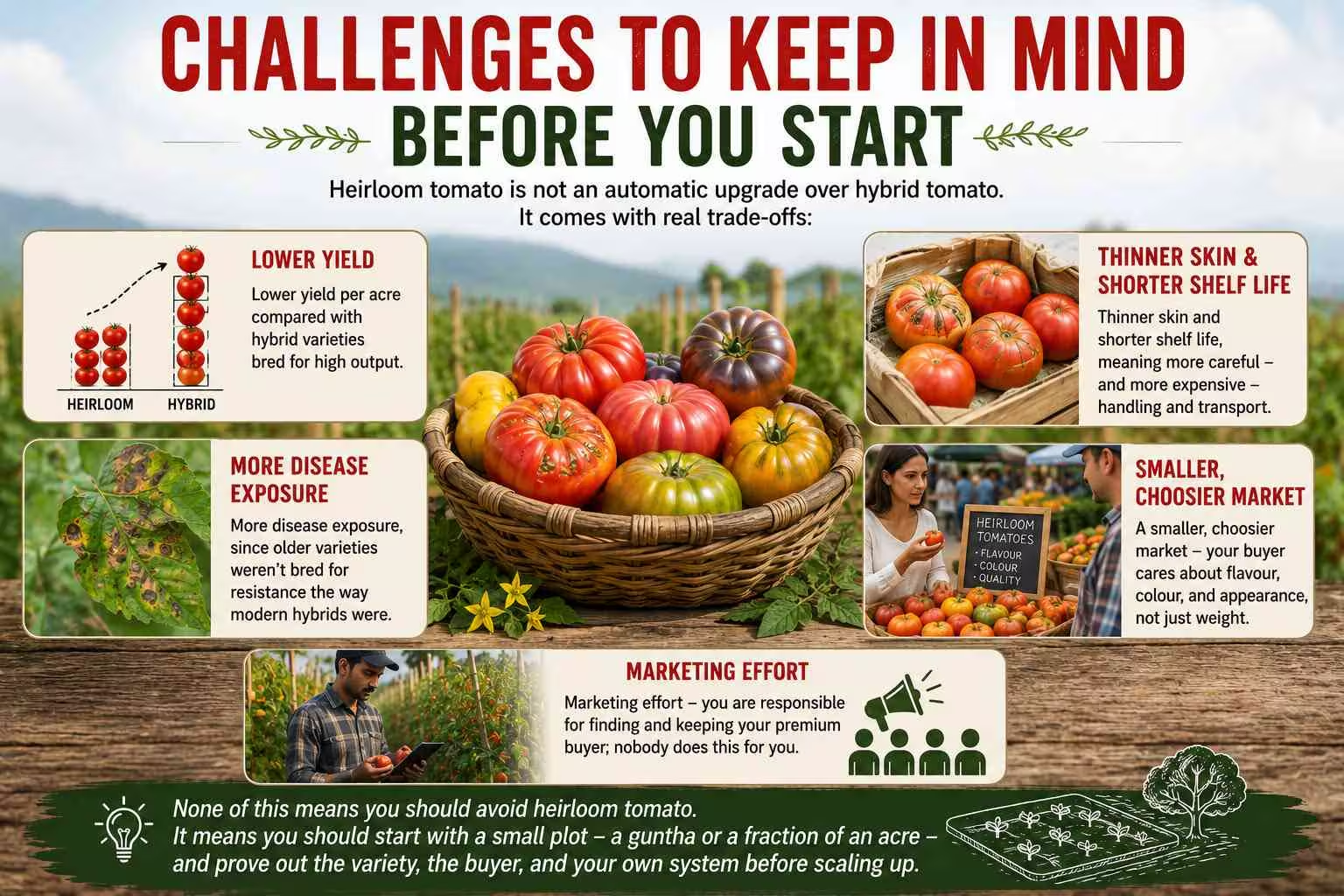
Heirloom tomato is not an automatic upgrade over hybrid tomato. It comes with real trade-offs:
- Lower yield per acre compared with hybrid varieties bred for high output.
- Thinner skin and shorter shelf life, meaning more careful — and more expensive — handling and transport.
- More disease exposure, since older varieties weren’t bred for resistance the way modern hybrids were.
- A smaller, choosier market — your buyer cares about flavour, colour, and appearance, not just weight.
- Marketing effort — you are responsible for finding and keeping your premium buyer; nobody does this for you.
None of this means you should avoid heirloom tomato. It means you should start with a small plot — a guntha or a fraction of an acre — and prove out the variety, the buyer, and your own system before scaling up.
Final Thoughts: Is Heirloom Tomato (Heritage Tomato) Right for Your Farm?
Heirloom Tomato (Heritage Tomato) farming won’t replace your regular tomato crop overnight, and it isn’t meant to. It’s a way to add a second, higher-value income stream on a small part of your land, using a crop that is already part of India’s own farming history under the name desi tomato. Start small, pick one or two heat-tolerant varieties, secure your buyer first, and let the real numbers from your own field guide your next season.
Frequently Asked Questions about Heirloom Tomato (Heritage Tomato) Farming
What is the difference between heirloom tomato and hybrid tomato?
Heirloom (heritage) tomato is open-pollinated and breeds true from its own seed. Hybrid (F1) tomato is bred by crossing two parent lines and does not breed true, so you must buy fresh seed each season.
Can I save seeds from heirloom tomato and replant them?
Yes. This is the main advantage of heirloom tomato — properly saved and dried seed from this year’s fruit will grow the same variety again next season.
Is heirloom tomato farming profitable in India?
It can be, but only if you secure a buyer willing to pay a premium — an organic store, hotel, or direct-to-consumer channel. Sold at a regular mandi, heirloom tomato earns no more than hybrid tomato despite costing more to grow.
Which heirloom tomato variety is best for beginners in India?
Start with a heat-tolerant variety such as Pruden’s Purple or San Marzano, or a locally adapted desi tomato, before trying more delicate international heirlooms.
Where can I buy heirloom tomato seeds in India?
Several Indian nurseries and seed retailers, such as Nurserylive, Farmers Stop, and TrustBasket, sell heirloom and desi tomato seed online. Community seed banks such as Navdanya’s also share native vegetable seed with farmers.
Do heirloom tomatoes need more care than hybrid tomatoes?
Yes — more staking, more careful watering, more hands-on harvesting, and closer disease-watching, since they weren’t bred for the same resistance and uniformity as modern hybrids.
Newsletter